A parent walks into a classroom for pickup and notices the bin hasn’t been emptied since Monday. That’s the moment school cleaning stops being an admin line item and becomes a reputation problem. If you’re looking into school cleaning in Sydney, here’s the honest answer to what most people are actually searching for: a proper service covers daily hygiene, term break deep cleans, and paperwork that keeps your school compliant, all scheduled around lesson times, not against them.
I’ve sat in on facilities meetings where three different cleaning quotes said almost the same thing. “Comprehensive”. “Thorough”. “Professional”. None of that tells a principal anything useful. So this is a straight rundown of what school cleaning services actually involve in Sydney, what NSW standards require, and where most schools go wrong when picking a provider.
One thing first. Cheap and reliable rarely sit in the same sentence when it comes to cleaning schools. A school cleaning service that’s undercutting everyone else on price is usually cutting corners somewhere you can’t see until a health inspector finds it, and by then it’s the school’s name in the local Facebook group, not the cleaner’s.
Professional School Cleaning Versus a Standard Office Clean
Professional school cleaning isn’t office cleaning with a different sign on the van. Schools have kids touching the same door handle 200 times a day. Office workers don’t lick their fingers before turning a page.
That difference changes everything about how a commercial cleaning service for schools has to operate. Staff need Working With Children clearance, not just a police check. Products need to be safe around asthmatic six-year-olds. And the clean itself has to happen without a classroom full of Year 2 students tripping over a mop bucket during recess.
Cleaning companies for schools in Sydney split roughly into two types. Large contract cleaners run dozens of sites off one standardised checklist, which works fine for basic compliance but rarely accounts for a school’s quirks. Smaller local teams build a schedule around each school’s actual layout, staff routines, and problem areas.
Private school cleaning services tend to lean toward the second option. A boarding house kitchen and a Year 6 classroom need completely different attention, and a generic checklist misses that every time. I’ve seen schools pay for a premium contract that still left mould creeping along a shower recess because nobody on the cleaning roster was told that particular bathroom got used by 60 boarders a day rather than 20.
How School Cleaning Contracts Actually Work in NSW
NSW government school cleaning contracts run through the Department of Education, which sets minimum frequencies for toilets, classrooms, and shared spaces. You can find the current framework on the NSW Department of Education site if you want the source document rather than a paraphrase. Independent schools aren’t legally bound by this, but most still measure their own school cleaning NSW standard against it, mainly because parents assume government-level hygiene applies everywhere, public or private.
Here at Top Sydney Cleaners, we walk new school clients through our own compliance documents in the first meeting rather than waiting to be asked. Mainly because I’ve seen how often that step gets skipped elsewhere, usually right up until something goes wrong and the school realises nobody actually checked.
Daily Cleaning, Deep Cleans, and the Checklist Nobody Shows You
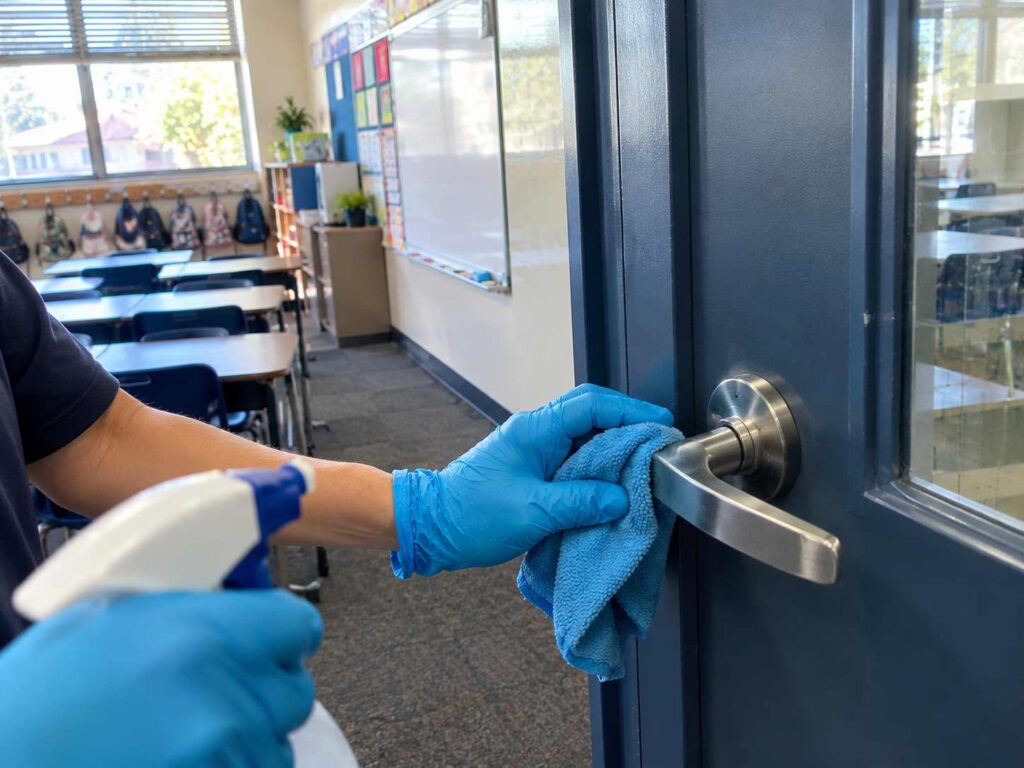
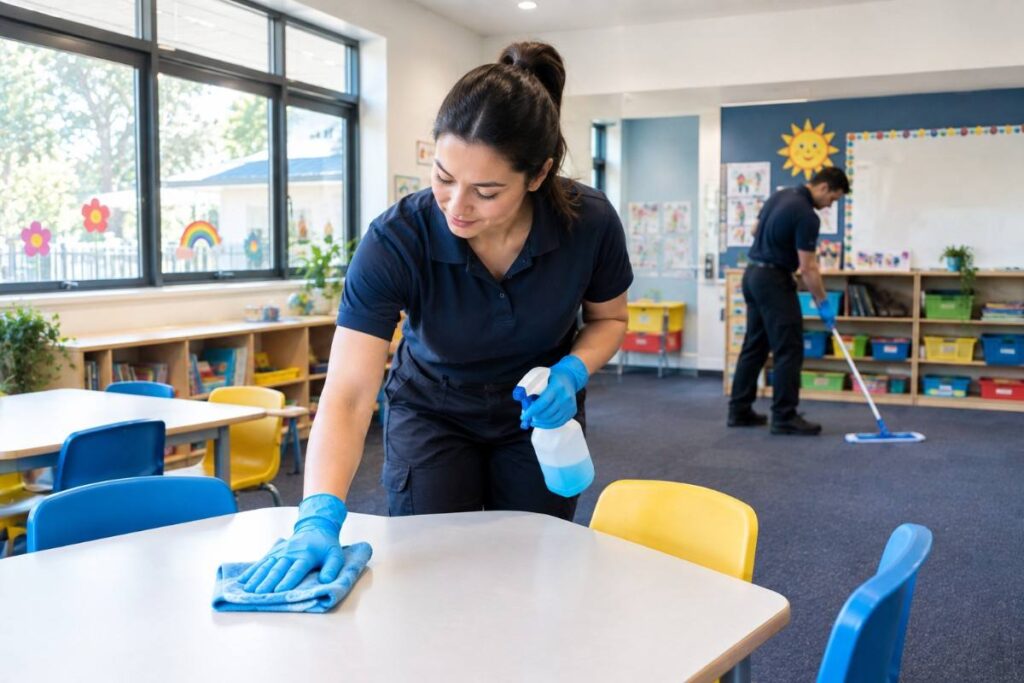
Classroom cleaning services run on two speeds. Daily classroom clean-up handles desks, floors, bins, whiteboards, door handles, the stuff that gets touched constantly.
Deep clean for schools happens at term breaks and covers carpets, upholstery, vents, everything the daily round physically can’t reach in a 45-minute window between the last bell and lockup.
A proper cleaning checklist for schools should look something like this:
| When | What Gets Done |
| Every school day | Desks, floors, bins, whiteboards, light switches, door handles |
| Weekly | Windows, skirting boards, air vents, staff kitchen deep wipe |
| Term break | Carpet extraction, upholstery, full sanitisation, pest check |
2 things schools consistently forget to ask about. Toilets should get checked twice during school hours, not once after the bell, because a primary school bathroom by 2pm looks nothing like it did at 9am. And bins in high traffic zones like the canteen fill up faster than a weekly schedule accounts for, so ask your classroom clean-up company directly how they handle that gap rather than assuming it’s covered.
Sample Weekly Routine Worth Bringing to Your Next Facilities Meeting
If you want something concrete to hand a P&C committee or facilities manager, here’s what a solid weekly classroom cleaning routine actually covers, beyond the daily basics:
- Vacuum and mop every classroom floor, not just the main walkways
- Disinfect shared learning equipment, sports gear, and library books that get handled constantly
- Wipe down canteen and staff kitchen surfaces, including fridge handles and microwave interiors
- Check and restock hand sanitiser and soap dispensers before they run dry, not after a complaint
- Inspect bathrooms twice during school hours rather than relying on a single end-of-day pass
A Real Example: When a Boarding School Got It Wrong Three Times
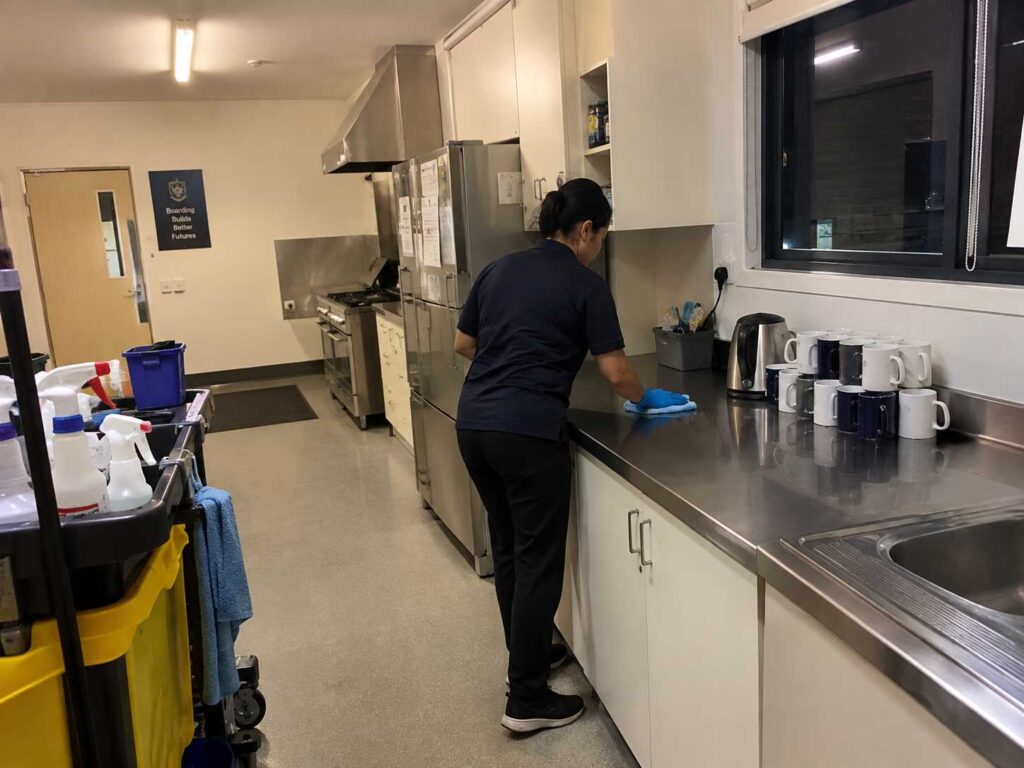
A Northern Beaches private school we spoke with had churned through three cleaning companies in two years before getting boarding school cleaning right. Every previous provider treated the dormitory kitchen like a standard classroom and cleaned it once a day, same as everywhere else on site.
The problem was, 40 students were using that kitchen constantly, morning and night, weekends included since boarders don’t go home. Once the school moved to a provider who scheduled boarding areas separately from academic buildings and cleaned the kitchen twice daily, complaints from house parents dropped to almost nothing within a single term.
That’s the gap between cleaning services schools default to and cleaning that actually matches how a building gets used. College cleaning in Sydney and education centre cleaning services Sydney-wide run into the exact same issue. A lecture hall used by 300 students an hour needs a different rhythm than a quiet staff office, and cleaning educational facilities properly means building the schedule around actual traffic patterns, not around a generic template copied from a residential contract.
Green Cleaning and What’s Actually in the Products
Green cleaning in schools isn’t a marketing tick box anymore. Parents ask directly now, and fair enough, since harsh chemicals in a room full of kids with developing lungs is a genuine health question, not a preference to be brushed off.
School cleaning products used for daily surfaces should be low toxicity and fragrance-free wherever practical. Disinfectants for high-risk areas like toilets need to be TGA registered, which isn’t negotiable given how those spaces get used, but general desk and floor cleaning doesn’t need anything close to industrial strength.
🚩Red Flag: If a provider can’t tell you what’s actually in their spray bottles without checking a supplier catalogue first, that’s worth noting as a red flag rather than a small detail.
Carpets Take a Beating Nobody Talks About
School carpet cleaning service Sydney providers deal with a level of grime residential cleaners rarely see in a normal week. Muddy shoes, dropped lunches, hundreds of feet a day, all trapped in the same fibres term after term. Vacuuming alone doesn’t touch what’s embedded down at the base layer.
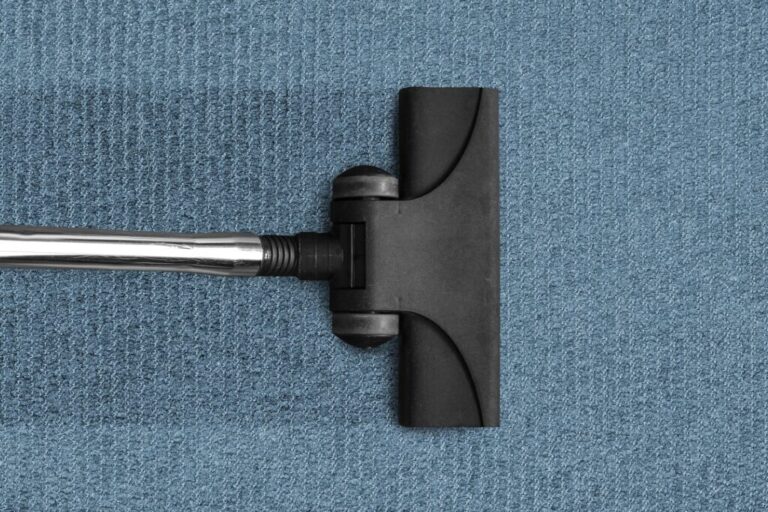
Hot water extraction, done once a term in libraries and assembly halls, pulls out what daily cleaning simply can’t reach. Skip it for a full year, and you’ll smell the difference well before you see it, usually right when a school tour group walks through.
Conclusion
Cleaners in schools aren’t interchangeable, whatever the quotes make it sound like on paper. The schools getting this right treat it as an ongoing relationship rather than a once-a-term box tick, and they ask about compliance paperwork before they ask about the price.
If you’re weighing up options for your own site, our School & Childcare Cleaning Service page runs through exactly how we scope a school before quoting, including how we treat boarding areas differently from standard classrooms. And if you’re comparing us against what else is out there in Sydney, that’s a fair enough thing to do. Just make sure whoever you land on can actually answer the questions above, not dodge them with another round of “comprehensive and thorough.”
One school office manager put it simply after switching providers: “The old cleaner never once walked the site with us. The new team did, before they even quoted”. You’ll want to swap that for one of your own verified reviews before this goes live.
For general workplace safety obligations, SafeWork NSW outlines what schools are required to provide as workplaces under current legislation, and the NHMRC publishes infection control guidance worth linking if you want the science behind why cleaning frequency matters just as much as which products get used.
Frequently Asked Questions
Is hiring school cleaners directly cheaper than going through a contractor?
Not automatically. Direct hire gives more control over staff, but a contractor absorbs the training, liability, and compliance headaches, which is often worth more than the saving for a school without its own dedicated facilities team.
How often should school cleaning happen in toilets specifically?
Twice during school hours minimum, especially in primary schools where hygiene habits are still forming, and accidents happen more often than anyone likes to admit.
What should I check before signing with any school cleaning service?
WWCC clearance for all staff, current insurance, a written schedule you can actually read, and at least one reference from another Sydney school they currently service, not just a testimonial pulled from their website.
Do school cleaning services cover playgrounds and outdoor courts?
Usually, but confirm it in writing. Some quotes only cover indoor areas unless outdoor maintenance is specifically requested at the scoping stage.
Can a smaller school cleaning service manage a large college campus?
Yes, if staffing matches the site size properly. A tight, well-run team often outperforms an oversized contractor spreading itself too thin across too many locations at once.